A Guide to Installment Loans and How They Work
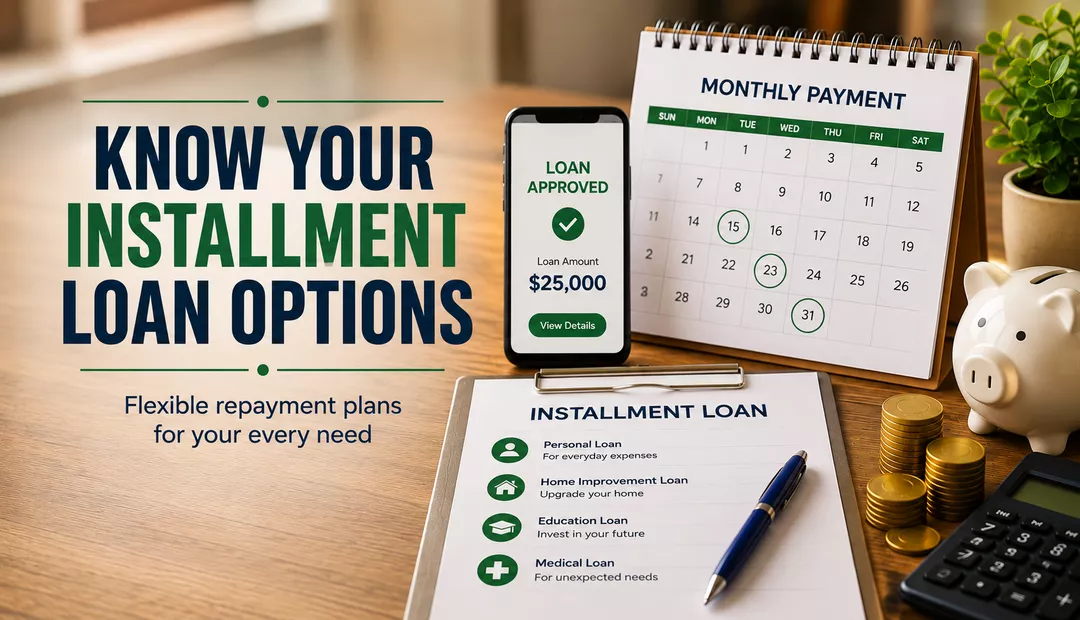
Your loan could be just a few steps away!
Bad Credit? We Could Help. Quick Approval Process
An installment loan enables you to borrow a specific sum and repay it over an agreed-upon timeframe, typically by making regular scheduled payments that include principal, interest and any applicable fees. Repayment schedules may differ depending on lender, loan amount, interest rate and term length.
Installment loans can meet many financial needs, from purchasing a vehicle or home, managing major expenses or paying for education. Online installment loans instant approval provide another borrowing solution when exploring lending options through an application online.
This guide offers an introduction to personal installment loans, their terms, their effects on bad credit scores, types of installment loans available and how to compare loan offers.
How do Personal installment loans work?
Personal installment loans provide a lump sum that you repay over an agreed-upon timeframe through scheduled payments. Unlike revolving lines of credit, borrowers typically receive the full loan amount upfront with a predetermined repayment schedule.
When applying, lenders typically review information such as your income, employment status, credit history and existing debts to assess whether you meet their lending criteria and offer loan terms accordingly.
Your loan agreement typically outlines the loan amount, interest rate, repayment term, payment amount and any applicable fees. By making regular payments according to its schedule, your outstanding balance will gradually decline until it’s paid in full.
Example: If you borrow $5,000 with a three-year repayment term, payments would be spread evenly throughout that period and could vary based on factors like interest rate and loan terms.
What Determines the Terms of a Personal Installment Loan?
Lenders take into account several factors when setting the terms for a personal installment loan, including borrowing capacity, interest rate, repayment duration and overall costs.
Your credit history can play an essential role when lenders assess your borrowing and repayment behaviors. A stronger profile could allow for more favorable loan terms; on the other hand, lower scores could mean higher borrowing costs or limited loan options.
Income and employment status can have an effect on loan terms. Lenders will look at your income to ensure you have enough funds available for scheduled payments; additionally, they will consider any existing debts or financial obligations you may have.
Loan amount and repayment term also matter, since borrowing more or opting for longer repayment terms could alter your total costs over the life of the loan.
What Does Having Bad Credit Mean?
Bad credit generally refers to any history considered less favorable by lenders for various reasons such as missed payments, defaults, high credit utilization rates or other negative information. Credit scoring models use this data from your history to predict your ability and likelihood of repaying loaned money on time.
An installment loan does not necessitate perfect credit; however, lenders may apply different eligibility requirements and less favorable terms depending on their assessment of your financial status.
Borrowers with limited or bad credit histories may face higher interest rates, lower borrowing limits or shorter repayment periods from lenders who evaluate their applications based on other information, such as income or employment details.
Types of Installment Loans
These installment loans come in various shapes and forms. Although all have the same basic feature of scheduled repayment, each type serves a distinct purpose and has unique terms.
Personal Loans
They are typically unsecured installment loans that borrowers can use for various personal expenses. Depending on your lender and agreement, funds could be used for home improvements, large purchases, debt consolidation or unexpected costs.
Some lenders provide installment personal loans with fixed repayment schedules, so borrowers know exactly when and how much their payments will cost them.
Mortgages
A mortgage is an installment loan used to purchase real estate, such as a house. The property generally serves as collateral against this loan agreement.
Mortgage loan terms often extend longer than other installment loans; repayment periods can span decades. The loan agreement specifies the interest rate, payment schedule and other conditions.
Auto Loans
Auto loans allow borrowers to finance the purchase of either new or pre-owned vehicles with ease, typically making scheduled payments over an agreed-upon timeframe with their vehicle serving as collateral for the loan.
Loan terms depend on several factors, including vehicle price, down payment amount, credit profile, interest rate and repayment period.
Buy Now, Pay Later (BNPL) Loans
Buy now, pay later (BNPL) loans allow consumers to purchase items immediately with plans to pay later (along the lines of Pay Later loans).
Buy now, pay later arrangements are a way for consumers to purchase goods or services and divide the cost over multiple payments – sometimes over several weeks or months depending on the provider and plan chosen.
Student Loans
Students can use student loans to cover higher education costs such as tuition and fees. Federal and private student loans have different eligibility requirements, interest rates, repayment options, and borrower protections.
Repayment typically commences according to the terms of each loan agreement, which can differ depending on its type and borrower circumstances.
401(k) Loans
401(k) loans allow eligible participants to borrow against funds in their employer-sponsored retirement account and repay it according to its rules, rather than borrowing directly from traditional lenders.
Because 401(k) loans involve retirement savings, their rules and potential consequences may differ significantly from other forms of installment borrowing. Borrowers should do their research into their specific plan’s requirements before considering this option.
How to Compare Installment Loans
Comparing installment loans can help you understand the total cost of borrowing and find an option that meets your financial situation. Focusing solely on monthly payments may not provide an accurate representation, as longer repayment periods could lower payments while increasing total interest payments.
APR: As a starting point, compare annual percentage rates (APR), which provides a comprehensive snapshot of borrowing costs by including both interest rate and certain fees. Furthermore, review loan amounts, repayment periods and scheduled payments.
Fees: Verify whether or not the lender charges any origination fees, late fees, prepayment penalties or any other associated costs before accepting a loan agreement. Understanding these expenses will enable you to get an idea of the total amount due for repayment.
Requirements: Your next step should be examining a lender’s eligibility requirements and repayment terms, such as minimum income or credit requirements or whether or not additional financial information needs to be evaluated.
Decision: Before making your decision regarding tribal installment loans or $3000 installment loans for bad credit search results can contain various lenders with different terms; instead of basing your comparison solely on advertised loan amounts.
FAQs
What is an installment loan?
These loans provide borrowers with a specific sum that must be repaid through regular installment payments over an agreed-upon timeframe; such loans include personal, mortgage and auto loans.
Is a personal loan an installment loan?
Yes. Most personal loans are installment loans in that borrowers receive an agreed-upon amount and repay it in installments over an agreed-upon term.
Are installment loans secured or unsecured?
Mortgages and many auto loans typically require collateral as security against repayment; in contrast, some personal installment loans do not require this protection.
How long do installment loans last?
Repayment terms depend on the loan type, lender and agreement; some loans have shorter-term obligations while mortgages and certain other types of loans can take several years to repay in full.
Do installment loans have fixed payments?
Before accepting any installment loan offer, carefully evaluate its interest rate and repayment terms to make an informed decision.
Can you get an installment loan with bad credit?
Some lenders may accept applications from borrowers with less-than-perfect credit histories; despite eligibility, loan amounts, interest rates and repayment terms may vary between lenders depending on a borrower’s overall financial profile.